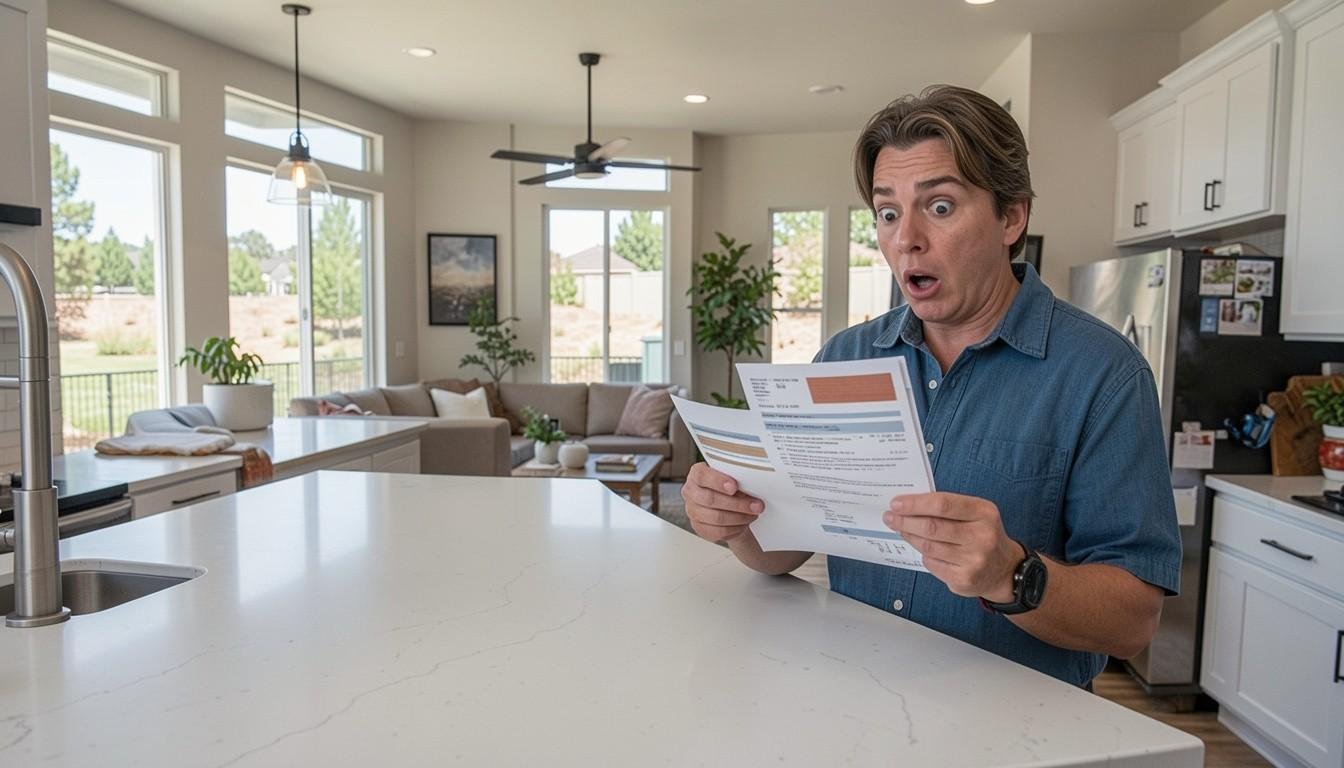
You expect your electric bill to go up in a heatwave or around the holidays. You do not expect it to spike on a random month when your daily routine looks the same. If that sounds familiar, there is a good chance your home appliances or HVAC system are quietly using more energy than they should.
In Lake Elsinore and nearby areas, higher Southern California Edison rates and tiered pricing mean a single inefficient appliance can tip you into a more expensive tier. That is why spotting the early signs of energy‑wasting appliances is so important. As a local home appliance repair and HVAC repair company, Appliance Repair Lake Elsinore works with these issues every day. In this guide, you will see five clear signs your appliances are increasing your electric bill and what you can do about each one.
Why Your Appliances Matter More In 2026
Electric rates and usage patterns have changed over the last few years. Many households and small businesses now see:
- Tiered rates where the first block of energy is cheaper and later blocks cost more.
- Time‑of‑use plans where power costs more during peak hours.
- Higher baseline rates than they paid a few years ago.
When rates go up, any wasted energy costs you more. An older refrigerator, an inefficient HVAC system, or a water heater filled with sediment will not just waste a few dollars. It can add real, repeat costs every month, especially in a climate like Lake Elsinore where heat and long run times are normal.
If you have already read our guide on how Lake Elsinore’s climate shortens appliance life and how to stop it, you know that heat, dust, and hard water all increase strain on your equipment. That same strain often shows up as higher energy use before you see obvious failure.
Sign #1: Your Electric Bill Jumps But Your Lifestyle Hasn’t Changed
The first sign is simple. Your bill goes up sharply even though:
- You have not added new major appliances.
- Your household size and schedule are similar.
- You are not running AC or heating more than usual for the season.
Before you blame your appliances, you should:
- Compare the kWh usage, not just the dollar amount, to the same month last year.
- Check if your rate per kWh or your tier thresholds changed.
- Look at whether you moved more of your usage into peak hours.
If your kWh usage is up but your routine is not, something in your home is using more electricity. Often that “something” is an appliance or HVAC system that has started to run longer, work harder, or lose efficiency.
Quick checks you can do:
- Walk the house when most appliances should be idle and listen for motors running.
- Put your hand near the back or side of major appliances to feel for excess heat.
- Note any equipment that seems to run all day when it used to cycle normally.
Once you rule out obvious changes in usage and rates, it is time to look at specific signs.
Sign #2: Your Refrigerator Or Freezer Runs Almost All The Time
Refrigerators and freezers run 24/7, so they are natural candidates when you see a higher bill. A healthy fridge should cycle on and off. If your unit runs almost constantly, your bill will feel it.
Common warning signs:
- You hear the compressor running most of the time.
- The sides feel warmer than they used to.
- You see heavy frost build‑up in the freezer.
- Food stays safe but the unit seems to struggle to get cold.
Older refrigerators can use two to four times more energy than newer efficient models. A second “garage fridge” or “beer fridge” in a hot Lake Elsinore garage is even worse. That unit works in high temperatures and is often older, so it draws a lot of power to keep up.
Action steps:
- Pull the fridge away from the wall and clean the coils carefully. Dust and pet hair reduce heat transfer and increase runtime.
- Check door gaskets for gaps. If you can slide a thin piece of paper through a closed door seal, you may be losing cold air.
- Make sure food is not blocking vents and that the unit has enough clearance for air circulation.
- Listen after cleaning and adjustments. If runtime is still very high, you may have a deeper issue.
At this point, you should ask whether repair or replacement makes more sense. If your fridge is over 10 years old, you can use the decision framework in our guide on whether it is worth repairing an appliance more than 10 years old to compare major repair costs and energy savings against a modern replacement.
Sign #3: Your HVAC System Runs Constantly And Still Feels Weak
In Lake Elsinore, air conditioning and heat pumps are major drivers of electric bills. Some increase is normal in hot months. However, you should pay attention if:
- The system runs nearly nonstop during the day.
- It struggles to reach the set temperature.
- Certain rooms stay warm even after hours of runtime.
- Your bill jumps far more than your thermostat setting changed.
Possible causes include:
- Dirty or clogged air filters.
- Dust and debris on outdoor condenser coils.
- Duct leaks in attics or crawl spaces.
- Failing capacitors, weak compressors, or low refrigerant charge.
A struggling HVAC system uses a lot of energy while delivering poor comfort. In our guide on preparing your HVAC for the Santa Ana winds, we explain how dust, wind, and climate stress can reduce efficiency even more. Those same factors apply through many Lake Elsinore seasons, not just wind events.
Action steps:
- Replace or clean filters and make sure vents are open and unblocked.
- Inspect the outdoor unit and gently rinse off dirt from the coils with a hose.
- Listen for unusual noises, such as loud buzzing, rattling, or short bursts of starting and stopping.
If problems persist, it is time for a professional HVAC inspection. A technician can:
- Measure refrigerant levels properly.
- Check capacitors and electrical components.
- Test static pressure and airflow in ducts.
In some cases, an HVAC tune‑up solves the issue and brings energy use back in line. In other cases, an older unit that runs constantly may be a candidate for a more efficient replacement. Our Canyon Lake HVAC overhaul customer spotlight shows how a full upgrade can improve both comfort and energy use in a real Inland home.
Sign #4: Hot Water, Laundry, And Dishwashing Seem To Cost More Than They Should
Water‑related appliances can raise your bill too, especially when they heat water inefficiently.
Signs to watch:
- Your water heater runs often and you still run out of hot water quickly.
- You hear popping or rumbling from the water heater, which can signal sediment build‑up.
- Your dishwasher and washer always run on hot or high‑temperature cycles.
- You see more spotting or soap residue, which can indicate hard water stress and poor efficiency.
In Lake Elsinore, hard water adds another layer. Mineral build‑up inside water heaters and dishwashers forces them to use more energy to achieve the same result. Over time, this can increase both your utility bills and your repair frequency.
Action steps:
- Drain a small amount from your water heater tank periodically to flush some sediment.
- Consider using warm or cold water cycles more often for laundry when fabric and soil levels allow it.
- Use energy‑saving or “eco” modes on dishwashers and washers when possible.
- Review our guide on hard water solutions for Lake Elsinore residents if you notice heavy scale, white buildup, or frequent heater and dishwasher issues.
If your water heater is older and heavily scaled, or if your dishwasher is past its expected lifespan and needs major work, it may be time to use the same repair‑vs‑replace framework you use for other appliances. An inefficient water heater or dishwasher can quietly become one of the largest loads on your bill.
Sign #5: “Off” Appliances Still Draw Power Through Phantom Loads
Not all energy use comes from running motors or heating elements. Phantom or standby loads also affect your bill.
Phantom loads include:
- Appliances and electronics in “standby” mode with lights or displays on.
- Chargers left plugged in all the time.
- Devices with always‑on power supplies and network connections.
Over a month, these add up, especially if you have multiple TVs, game consoles, set‑top boxes, and office gear.
While each standby device uses a small amount of power, together they can:
- Raise your baseline usage even when you are not actively using appliances.
- Help push your total kWh into higher rate tiers.
Action steps:
- Identify devices that do not need constant power, such as rarely used electronics and secondary gear.
- Use smart strips or switched power strips for groups of devices like media centers or office setups.
- Unplug chargers and small appliances when you are not using them.
You do not need to unplug your fridge or your main internet router. The goal is to cut off power to clusters of non‑essential devices so they do not sip power around the clock.
How To Track Down High‑Use Appliances Without Fancy Gear
You can often find energy hogs using simple methods before you invest in meters.
Low‑Tech Tests
You can:
- Turn off or unplug one suspect appliance for 24 hours and compare your meter reading or smart‑meter app usage pattern.
- Flip breakers off for certain rooms or circuits for a short period and see how your baseline usage drops.
- Monitor your bill or usage graph when you change routines, such as not using a second fridge or reducing dryer use.
These controlled “before and after” tests can give you a clear hint that one specific appliance is driving extra cost.
Simple Monitoring Tools
If you want more precise data, plug‑in energy meters and smart plugs can:
- Measure the kWh used by individual refrigerators, freezers, or office gear over several days.
- Show you which appliances cycle more than they should.
- Help you estimate how much that appliance costs per month in your home.
Once you have real numbers, it becomes much easier to decide whether to repair, replace, or simply use the appliance differently.
If you need help deciding whether an older unit justifies another repair, our article on whether it is worth repairing an appliance more than 10 years old walks through age, repair cost, and energy use in detail.
Repair, Replace, Or Re‑Think Usage? Making Smart Choices
After you identify likely culprits, you face three main options.
1. Repair And Maintain
Repair and proper maintenance make sense when:
- The appliance is within its normal lifespan.
- The issue is clearly defined and not a major sealed‑system or structural failure.
- The repair cost is well below 50% of a new replacement.
For example, a mid‑life dryer with a worn heating element or a fridge with a faulty fan can often be repaired cost‑effectively. Our repair vs replace guide for 10‑year‑old appliances explains how to weigh age, cost, and expected lifespan so you do not overspend on an appliance near retirement.
2. Replace With An Efficient Model
Replacement is worth serious consideration when:
- The appliance is old, inefficient, and often repairs are expensive.
- Energy use is much higher than comparable new models.
- The unit has had multiple failures in recent years.
You can get more value from replacement by:
- Choosing an ENERGY STAR or high‑efficiency model.
- Checking for local rebates and incentives that reduce the upfront cost.
- Planning disposal responsibly using our local guide to recycling old appliances in Lake Elsinore.
Our resource on top energy rebates for Lake Elsinore homeowners in 2026 walks through how to combine efficiency upgrades with available incentives so you are not paying full price for improvements that cut your bills.
3. Adjust How You Use The Appliance
Sometimes you do not need a new appliance. You just need new habits.
You can:
- Shift heavy usage, such as laundry or dishwashing, to off‑peak hours if your rate plan allows it.
- Use eco or energy‑saving modes more often.
- Reduce unnecessary heating, such as always using high‑heat dryer cycles.
Treat your appliances like part of a system, not isolated devices. Your usage patterns, your local climate, and your rate plan all interact. Our article on dealing with power outages and protecting appliances during storms shows how power issues affect equipment life and performance. That same thinking helps when you adjust how and when you use high‑load appliances.
How Appliance Repair Lake Elsinore Helps You Lower Bills Without Guesswork
You do not have to unravel every detail by yourself. A local appliance repair and HVAC repair company that understands Lake Elsinore can help you target the biggest wins first.
A typical “bill and appliance” review with Appliance Repair Lake Elsinore may include:
- Asking for a few recent bills so we understand your usage and tier behavior.
- Inspecting major appliances and HVAC equipment for signs of strain, poor maintenance, or age‑related inefficiency.
- Checking for local climate stress, like heat, hard water, dust, and power events that affect your equipment.
- Pointing out quick maintenance wins and realistic upgrade options.
We also bring our broader experience to the conversation. In our guide on the hidden costs of DIY appliance repair and when to call a pro, we talk about when DIY makes sense and when calling a pro actually saves money and risk. In our local climate and hard water solutions guides, we show how local conditions affect both lifespan and energy use. We use all that context when helping you decide whether to repair, replace, or simply adjust usage.
If you are still choosing a service provider, you can use our 2026 guide to finding reliable appliance repair in Riverside County to see what good service looks like and what questions to ask any company you consider.
Conclusion: Turn High Bills Into A Clear Appliance Action Plan
A high electric bill is not just a random event. It is a signal. Often that signal points to aging or stressed home appliances and HVAC systems that are quietly pulling more power than they should.
If you watch for the signs:
- A sudden bill jump with no lifestyle change.
- Refrigerators and freezers that run constantly.
- HVAC systems that never seem to catch up.
- Hot water and laundry habits that rely heavily on high temperatures.
- Phantom loads from “off” devices that still draw power.
you can turn that signal into an action plan.
That plan might combine simple maintenance, better settings, smarter usage, targeted repairs, and strategic replacements. The goal is not perfection. The goal is a clear, practical path that lowers your bill and keeps your home or business comfortable.
If you want help turning these signs into a specific plan for your property, Appliance Repair Lake Elsinore is ready to look at your appliances and HVAC system with this energy lens in mind. You can reach out through our contact page to schedule a visit and start moving from “my bill feels too high” to “I know exactly what is causing it and what to do next.”