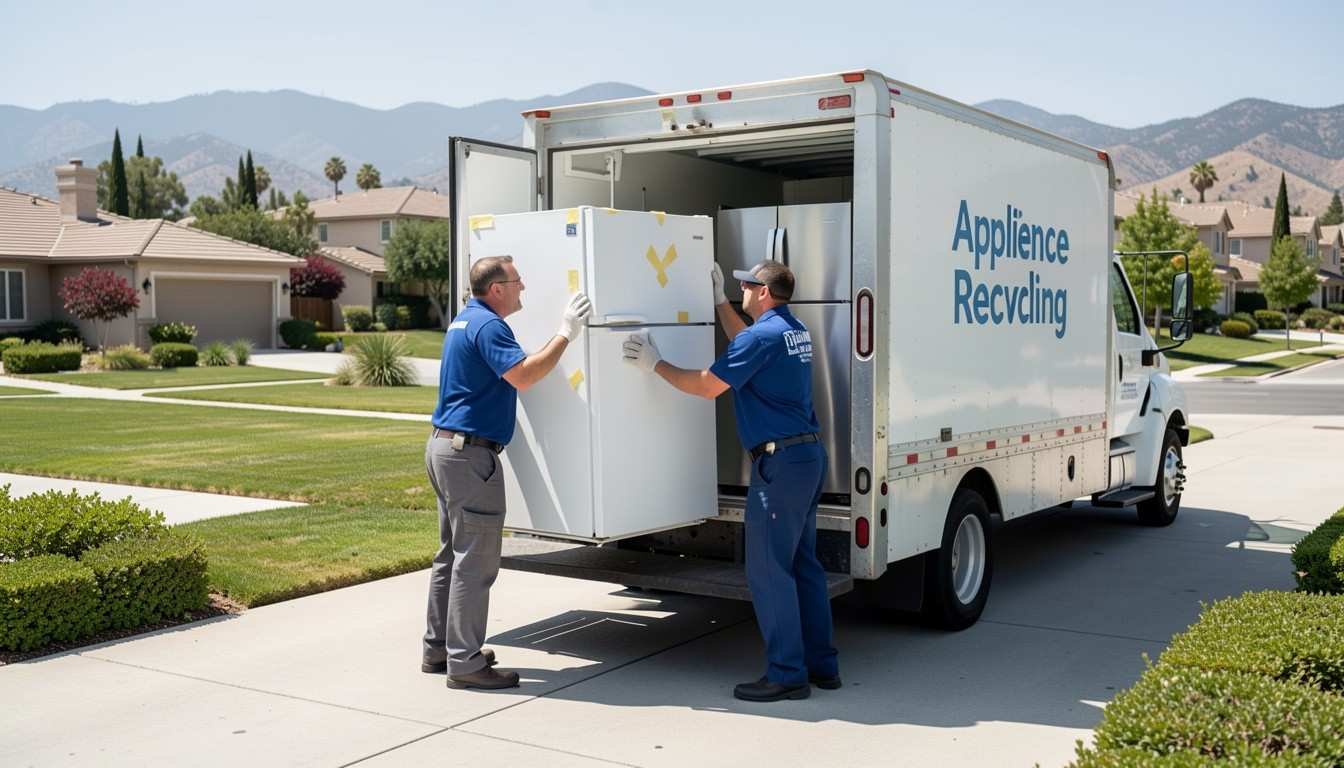
Getting rid of an old refrigerator, oven, or AC unit is not as simple as dragging it to the curb. In Lake Elsinore, appliances contain metals, oils, refrigerants, and electronics that can harm the environment if you dispose of them the wrong way. At the same time, those same appliances contain valuable materials that can be recycled and reused if you follow the right process.
If you run a home or a business, you face the same questions. Do you repair or replace? If you replace, who takes the old unit? Can you get any cash or credits for recycling it? And how do you avoid fines or surprise fees?
As a local appliance repair company and HVAC repair specialist, Appliance Repair Lake Elsinore sees these questions on almost every upgrade job. This guide gives you a clear, step‑by‑step path for recycling old appliances in Lake Elsinore, whether you are a homeowner or a commercial property manager.
Why Recycling Old Appliances Matters In Lake Elsinore
Old appliances are more than bulky trash. Inside a typical refrigerator, freezer, or air conditioner, you find:
- Refrigerant in sealed lines
- Compressor oil
- Metals like steel, copper, and aluminum
- Plastics and insulation
Refrigerants and oils can harm air quality and water if someone vents or dumps them. That is why California and Riverside County set special rules for appliance disposal and why you see certified appliance recyclers listed on county sites.
On the positive side, those same materials have value. Scrap yards and appliance recycling facilities recover metals, separate out hazardous materials, and keep large items out of landfills. When you recycle the right way, you protect the environment and support material recovery at the same time.
If you have already read about how Lake Elsinore’s climate shortens appliance life, this disposal step is the natural endpoint. Harsh heat and hard water push you toward replacement sooner, so it makes sense to handle the end of life in a responsible way.
What Counts As An “Appliance” For Recycling Purposes
For Riverside County waste rules, “appliance” covers many of the heavy items in your home or business, such as:
- Refrigerators and freezers
- Washers and dryers
- Dishwashers
- Ovens, ranges, and cooktops
- Microwaves (sometimes handled as e‑waste)
- Water heaters
- Air conditioners and some HVAC components
Many of these fall under special rules because they contain materials that need careful handling. These materials are sometimes called “materials requiring special handling” in recycling guidance.
Inside major appliances you often find:
- Refrigerants and compressor oil in fridges, freezers, and AC units
- Mercury switches and certain older controls
- Capacitors and electronics
- Insulation foams that should not be burned or landfilled carelessly
Because of these materials, California requires certain facilities to be Certified Appliance Recyclers. These businesses follow strict steps for removing and managing hazardous materials before scrap metal processing.
Curbside And Bulky Item Options For Lake Elsinore Residents
If you are a homeowner or live in a small complex, your first stop is often your regular trash hauler.
Most curbside services do not pick up appliances as regular trash. However, many offer:
- Scheduled bulky item pickup days
- Limited free pickups per year for large items
- Additional pickups for a fee
You typically need to:
- Call your hauler or schedule online
- Describe the appliance type and size
- Place the item at the curb or a designated pickup spot on the right day
Your hauler may have rules such as:
- Doors must be removed or secured on refrigerators and freezers for safety
- Units must be empty and clean
- Certain items like AC units may require special handling or may not be accepted curbside at all
If you live in an apartment, HOA, or mobile home park, management may have its own bulky pickup arrangement. Ask your manager or HOA board how they handle abandoned appliances so you do not create an issue with an unscheduled drop.
Illegal dumping is a real concern in Riverside County. Leaving appliances on roadsides or vacant lots can lead to fines and code enforcement actions. Planning a legal bulky pickup or drop‑off protects you from those problems.
County Drop‑Off And Landfill Appliance Programs
For many residents and small businesses, county facilities provide the most direct option.
Riverside County Waste Resources publishes rules for appliance disposal at landfills and transfer stations. These rules typically cover:
- Which sites accept appliances
- Any limits on quantity per day
- Fees for certain items, especially those with refrigerants
Before you load your truck, you should:
- Check the county site for current rules and accepted items
- Confirm whether the facility will remove refrigerant or if you need that done ahead of time
- Prepare your appliance by removing food, loose shelves, and personal items
The county also operates Household Hazardous Waste programs. These events and sites focus on paint, chemicals, batteries, and related items, but they also tie into overall disposal planning. Some events may coordinate with appliance drop‑off days or special cleanup events that include appliances.
Always follow posted instructions when you arrive at a landfill or collection site. Staff will direct you to the correct area for appliances and ensure they go to a processing stream that safely handles refrigerant and metals.
Certified Appliance Recyclers And Private Haulers
You are not limited to the county system. You can also use private services.
What A Certified Appliance Recycler Does
A Certified Appliance Recycler (CAR) follows California rules for handling appliances that contain refrigerants, oils, and other sensitive materials. They:
- Safely recover refrigerant using proper equipment
- Drain and manage oils and other liquids
- Remove parts that contain mercury or other hazards
- Process the remaining materials for scrap and recycling
Using a CAR protects you from the risk of improper handling. If a non‑qualified person cuts open lines or dumps oils, they break environmental rules. When you choose a recycler that appears on county or state lists, you know they follow required procedures.
Private Pickup Services
You may also see:
- “Free appliance pickup” ads
- Paid junk removal services
- Scrap metal pickup offers
Some of these are legitimate and work with certified recyclers. Others are simple junk haulers who focus on quick removal. Before you choose one, ask:
- Where do you take the appliances?
- Do you work with a certified recycler?
- Can you provide a business name and number you can verify?
As a general rule, services that appear on county or utility partner lists are safer choices than random ads with no track record.
Utility And Manufacturer Take‑Back Programs
Sometimes recycling can put money back in your pocket.
Utility partners occasionally offer refrigerator and freezer recycling programs. These programs often:
- Schedule a pickup of a working but inefficient unit
- Pay you a small rebate or bill credit
- Ensure proper recycling of the old appliance
These programs exist because old fridges and freezers use far more energy than modern units. Utilities see value in getting them off the grid.
If you are already planning an efficiency upgrade and looking at energy rebates for Lake Elsinore homeowners, you can stack those benefits. You replace an old, power‑hungry appliance with an efficient model, claim any available rebate, and have the old unit recycled in a verified program.
Some manufacturers and retailers also offer haul‑away services when you buy a new appliance. In many cases, they either recycle the old unit or pass it to a recycler. You should still ask where the appliance goes so you know it is handled properly.
Special Cases: Commercial And Multi‑Unit Properties
If you manage a commercial site or a multi‑unit property, appliance disposal becomes a recurring project.
Restaurants And Food Service
Restaurants often have:
- Reach‑in coolers and freezers
- Walk‑in units
- Ice machines
- Commercial dishwashers
These units always require professional handling. Refrigerant recovery, oil removal, and sometimes special cleaning are necessary before scrap. You should:
- Work with your HVAC contractor or refrigeration specialist to decommission units
- Use certified recyclers or county‑approved facilities for final processing
- Keep basic documentation of removal and recycling for your records
Hotels, Apartments, And HOAs
If you manage dozens of units, you will see a steady flow of:
- In‑unit refrigerators and ranges
- Laundry room equipment
- PTAC units and small ACs
You can set up:
- Scheduled bulk disposal days with a recycler
- Recurring large‑item pickup with your hauler
- Rules for residents so they do not abandon appliances in common areas
Good documentation helps you show that you handled appliances properly. This matters if you face audits, insurance questions, or environmental inquiries.
What You Should Never Do With Old Appliances
There are a few clear “never” actions.
Do Not Cut Refrigerant Lines Yourself
Cutting lines on a fridge, freezer, or AC unit vents refrigerant and can release oils. It is bad for the environment and can be harmful to you. It can also violate federal and state regulations.
Only trained technicians and certified recyclers should open sealed systems and recover refrigerant.
Do Not Dump Appliances Illegally
Leaving appliances:
- At the side of the road
- On open land
- In unauthorized dumpsters
creates safety hazards and invites fines. Children can become trapped in discarded units if doors remain attached. Trash left on lots reflects badly on the neighborhood and can result in cleanup bills for owners.
Do Not Strip Hazardous Parts Without Training
Some people strip copper and other metals from appliances to sell as scrap. If they do this without handling oils, capacitors, and other parts correctly, they spread contamination and risk.
Let certified facilities handle the full processing. The extra scrap dollars are not worth the risk and potential penalties.
Step‑By‑Step: How To Recycle Each Major Appliance Type
Here is a practical run‑through for common appliances.
Refrigerators And Freezers
- Decide whether you will repair, resell, or recycle. If the unit is vintage or has sentimental value, you may want to explore repair options rather than disposal.
- Empty and clean the interior. Remove food, shelves, and drawers.
- Unplug the unit and move it to an accessible location.
- Arrange disposal through a utility program, certified recycler, county site, or a trusted pickup service.
- If required, secure or remove the doors for safety before curbside pickup.
If you are unsure whether you should repair or recycle, Appliance Repair Lake Elsinore can evaluate the condition. In some cases, a repair still makes financial sense. In other cases, recycling and replacement is the smarter long‑term move.
Washers, Dryers, Dishwashers, And Ranges
These units do not usually contain refrigerant, but they still carry metal, electronics, and sometimes oils.
- Disconnect power, gas, and water safely.
- Clean out lint, water, and food debris.
- Remove loose items like racks and hoses if your hauler requires it.
- Use bulky pickup, county drop‑off, or a metal recycling service that accepts appliances.
If you have a gas stove or gas dryer, consider having a professional disconnect and cap the gas line, especially if you plan to replace the unit later with a different setup.
Air Conditioners And HVAC Units
Central AC condensers, heat pumps, and some packaged units require special handling.
- Have a licensed HVAC technician recover refrigerant and disconnect the system.
- Work with your HVAC contractor or a certified recycler to remove the old unit.
- Ensure documentation of refrigerant recovery and recycling, especially for commercial systems.
If you are upgrading to a more efficient system, you can often pair proper disposal with rebate programs and see real energy savings over time.
Office And Small Commercial Appliances
Mini‑fridges, countertop microwaves, and certain break room items may fall under e‑waste or small appliance recycling streams.
- Many retailers and e‑waste events accept small electronics and microwaves.
- Some junk removal services sort these items and send them to appropriate recycling partners.
Check labels and local guidance. If in doubt, treat these items as e‑waste rather than ordinary trash.
How Appliance Repair Lake Elsinore Fits Into Your Disposal Plan
You do not have to make disposal decisions in isolation. Appliance Repair Lake Elsinore can help you at several points.
First, we help you decide if an appliance is worth saving. If a repair can extend the life of a unit at a reasonable cost, that can be the most sustainable choice. You can see an example of this approach in our case study on saving a vintage stove rather than sending it to scrap.
Second, if you do choose replacement, we can decommission units safely, especially for HVAC systems and appliances that tie into gas or hard‑wired electrical. Safe disconnection is important before any pickup or recycling.
Third, we can coordinate timing. You may want to bundle:
- New appliance or HVAC installation
- Removal of old units
- Applications for energy rebates where applicable
- Proper recycling or disposal
This integrated approach saves you time and helps you avoid having dead appliances sit in garages or storage areas. It also fits well with a broader maintenance plan that includes climate stress, hard water management, and power outage protection.
If you are still choosing a service provider to help with this, you can review our guide on finding reliable appliance repair in Riverside County so you know what to check before you hire anyone.
Conclusion: Make Appliance Recycling Part Of Every Upgrade
Old appliances are heavy, awkward, and packed with materials that require care. However, with a clear process, recycling in Lake Elsinore does not have to be confusing.
When you:
- Understand what counts as an appliance
- Use proper bulky pickup, county sites, or certified recyclers
- Avoid unsafe shortcuts like cutting refrigerant lines or dumping
- Combine recycling with smart repair and replacement decisions
you protect your neighborhood, follow the rules, and often save money in the long run.
If you are planning to replace aging appliances or upgrade HVAC systems and you want help deciding what to repair, what to recycle, and how to schedule everything, Appliance Repair Lake Elsinore can walk you through practical options. You can reach out through the contact page to schedule a visit and get a clear plan that covers repair, replacement, and responsible recycling for your home or business.