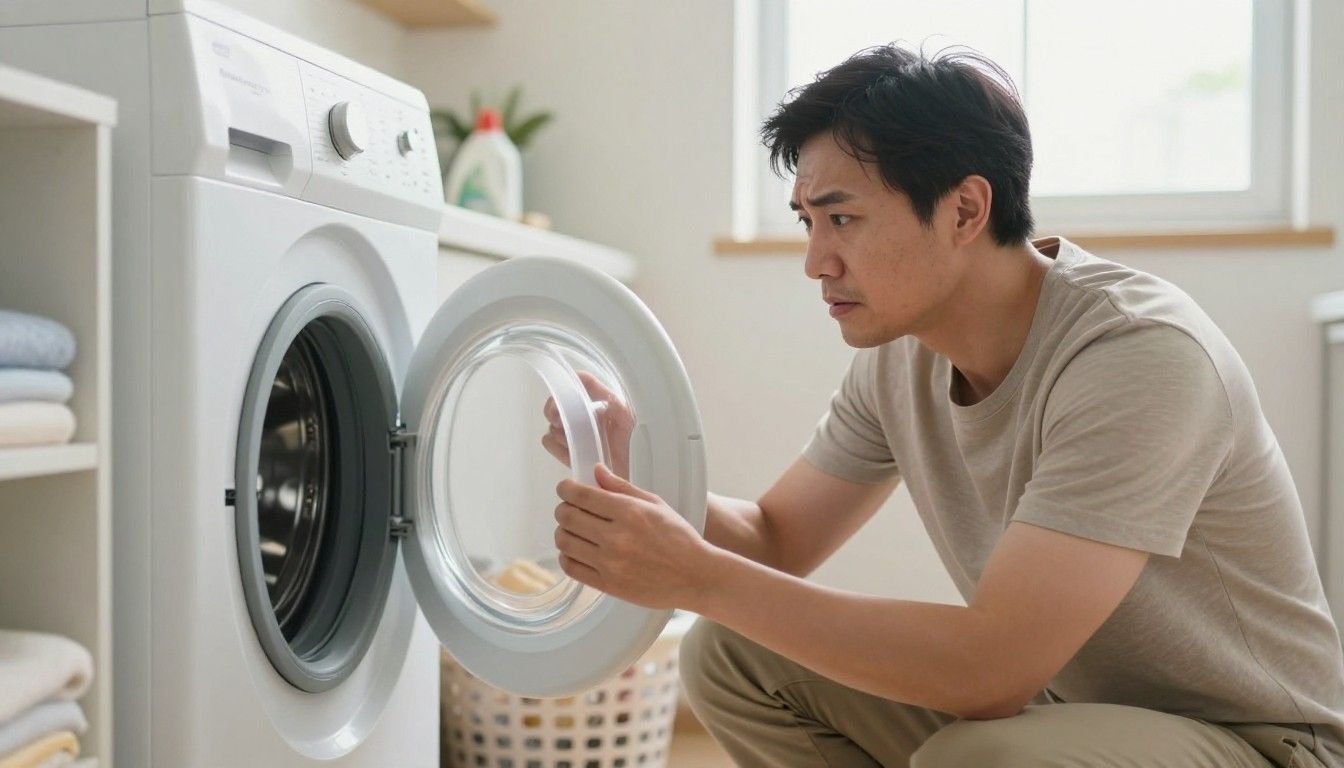
You open the washer to grab a load of clean towels, and instead of fresh laundry, you get hit with a musty, damp smell that makes you wonder if the clothes are even clean at all. If this sounds familiar, you’re dealing with one of the most common washing machine complaints in Lake Elsinore homes and businesses.
The good news is that mildew smell is almost always fixable, and in most cases, you can handle it yourself in under an hour. This guide walks you through why it happens, how to fix it, and when the smell means something more serious is going on inside your machine.
Quick Answer: The 3 Most Likely Reasons
Before you go down a rabbit hole of Googling every possible cause, let’s narrow things down. Three issues account for almost every mildew smell complaint.
Trapped Moisture, Detergent Buildup, or a Mechanical Fault
Most mildew smells come from water sitting somewhere it shouldn’t, whether that’s the door gasket, the detergent drawer, or the drum itself. The second most common cause is soap and fabric softener residue that builds up over time and feeds bacteria. A mechanical fault, like a clogged drain pump, is less common but worth ruling out if cleaning doesn’t solve the problem.
How to Tell Which One You Have in 60 Seconds
Open the washer right after a cycle and smell the gasket, the drum, and the detergent drawer separately. Whichever spot smells strongest is where your problem lives. If the whole machine smells damp even after sitting open for hours, you’re likely looking at buildup deeper in the tub.
Diagnose the Smell: Is It Really Mildew?
Not every bad washer smell is mildew, so it helps to know what you’re dealing with before you start scrubbing.
Musty/Damp Basement Smell: A Sign of Mold in the Gasket or Drum
This is the classic mildew smell, and it usually points to mold or bacteria growing in the rubber door seal or along the inner drum walls. Front-load washers are especially prone to this because the door seal holds moisture after every cycle.
Sour or Rotten Smell: A Sign of Detergent or Biofilm Buildup in the Tub
A sour smell, similar to old milk, usually means detergent and fabric softener have built up into a slimy layer called biofilm. This happens gradually, so you may not notice it until a single cleaning cycle isn’t enough to clear it.
Quick Self-Diagnostic Checklist
Does the smell fade after cleaning the gasket, then return within days? Does it seem to come from the drain area instead of the drum? If the odor smells like sewage rather than mildew, the issue may be your drain line or plumbing vent, which calls for a plumber. A burning or rubbery smell points to a mechanical issue, so stop using the machine until it’s inspected.
The Science of It: Why Washing Machines Grow Mold in the First Place
Understanding what’s happening inside your machine makes the fix, and the prevention that follows, a lot more logical.
How Mold and Mildew Actually Colonize a Washer (Biofilm 101)
Mold and bacteria need three things to grow: moisture, warmth, and a food source. Your washer provides all three every time you run a load. Detergent and fabric softener residue act as food, while the damp, dark drum acts as an incubator between cycles. Over time, this residue hardens into a film that clings to hoses, seals, and the outer tub, which is why a quick wipe-down sometimes isn’t enough.
Why “High Efficiency” Washers Ironically Smell More
HE washers use less water than older models, which is great for your water bill but not so great for rinsing away residue. Front-load HE washers also seal tightly to prevent leaks, which means less airflow to dry the drum between loads. That combination makes them more odor-prone than older top-load machines, even though they’re newer and more advanced.
The Cold-Water Washing Trend and Its Unintended Side Effect
Cold water saves energy and protects delicate fabrics, but it doesn’t dissolve detergent and body oil residue as well as hot water. If you wash almost everything on cold, residue can build up faster than you’d expect. Mixing in an occasional hot water load, especially for towels and bedding, helps rinse that buildup out.
The Lake Elsinore Factor: Local Conditions That Make Mildew Worse
Where you live plays a role in how often your washer develops odor problems, and Lake Elsinore has a few conditions that make this issue more common than in other parts of the country.
Hard Water and Mineral Buildup in Riverside County Homes
Riverside County’s water supply runs hard, meaning it carries a higher mineral content than many regions. Hard water reacts with detergent to form soap scum more easily, and that scum sticks to gaskets and drum walls where it feeds bacteria growth. If you want a deeper look at how this affects your machine long term, our breakdown of how hard water in Lake Elsinore affects your appliances covers it in detail.
Garage Laundry Rooms, Summer Heat, and Poor Ventilation
A lot of homes here keep the washer in the garage, and garages run hot and humid for a good chunk of the year. That combination slows down drying between loads and gives mold more time to establish itself. Our local climate plays a bigger role in appliance wear and tear than most homeowners realize, covered in more depth in why Lake Elsinore’s climate shortens equipment life.
Why Humidity Control (Not Just Cleaning) Is Part of the Fix
If your laundry area stays humid year-round, cleaning the washer alone won’t solve the problem long term. Improving airflow and humidity control in the space itself addresses the root cause instead of just treating the symptom repeatedly.
Fix It Yourself: A Step-by-Step Cleaning Protocol
Here’s a process that works for most mildew smell cases, whether you have a front-load or top-load machine.
Before You Start: Safety Notes (Bleach + Vinegar = Danger)
Never mix bleach with vinegar or ammonia. Combining these creates chlorine gas, which is dangerous to breathe. Pick one cleaning agent and stick with it, and wear gloves if you’re scrubbing mold by hand.
The Gasket/Door Seal Deep Clean
Pull back the folds of the rubber door seal and look for trapped debris and buildup. Spray with white vinegar or a diluted bleach solution, then scrub with an old toothbrush. For stubborn spots, pack a soaked rag into the folds for 30 minutes before wiping clean.
The Detergent Drawer Reset
Remove the detergent drawer completely and soak it in warm, soapy water. Clean the housing it sits in too, since leftover soap and moisture collect there just as often as inside the drum.
The Drain Pump Filter Clear-Out
Most front-loaders have a small access panel near the bottom front that hides the drain pump filter. Unscrew it carefully with a towel and pan ready, since water will drain out. Clear any debris, then screw it back in tightly.
The Hot-Water Tub Clean Cycle
Run an empty cycle on the hottest, longest setting available. Add two cups of white vinegar directly to the drum or a dedicated washing machine cleaner to flush out residue that regular washing can’t reach.
Front-Load vs. Top-Load: What’s Different in Each Process
Front-loaders need extra attention on the door gasket, where moisture collects most. Top-loaders don’t have a rubber seal to worry about, but check the lid opening and any crevices around the agitator for buildup.
Decision Tree: Should You DIY This or Call a Professional?
Most mildew smells are fixable on your own, but a few warning signs mean it’s time to bring in a technician.
Green Light: Safe and Easy to DIY
If the smell is limited to the gasket or detergent drawer and clears up after cleaning, you’re in good shape to handle it yourself, and a monthly maintenance habit should keep it from coming back.
Yellow Light: Doable, But Risky Without Experience
Accessing the drain pump filter or a clogged drain hose involves standing water and small parts that are easy to damage if you’re not familiar with your specific model.
Red Light: Signs That Point to a Mechanical or Drainage Problem
If the smell returns within days of a deep clean, or you notice standing water that won’t drain, the issue is likely mechanical rather than buildup. Attempting a DIY repair on a drain pump or control board without experience can turn a small problem into an expensive one, which is exactly why we put together a guide on the hidden costs of DIY appliance repair.
A technician who handles both appliances and HVAC systems can also check whether the odor is coming from the washer or from humidity and ventilation issues in the room. If it sounds past the DIY stage, you can reach out to our team for a proper diagnosis.
What It Costs to Fix (2026 Pricing Breakdown)
Knowing the price range ahead of time helps you make a confident decision.
DIY Cleaning Supplies Cost
A bottle of white vinegar, baking soda, or a store-bought washing machine cleaner runs under $15 total, making DIY cleaning the cheapest first step.
Professional Cleaning/Maintenance Visit Cost
A professional cleaning or maintenance visit typically costs less than a standard repair call, since it involves labor and diagnostics rather than replacement parts.
Gasket, Drain Pump, and Vent Repair Costs
Nationally, washing machine repairs average between $150 and $400 depending on the part involved, according to multiple 2026 appliance repair cost guides. Gasket and drain pump repairs tend to fall in the lower to middle part of that range, while control board or motor issues push toward the higher end.
Repair vs. Replace: When the Math Favors a New Washer
A common industry rule of thumb is that if a repair costs more than half the price of a new washer, replacement usually makes more financial sense, especially on older machines. We break this down further in our repair or replace cost-benefit analysis for homeowners.
Stopping It From Coming Back: A Maintenance System, Not a One-Time Fix
A one-time deep clean helps, but a simple routine keeps the smell from coming back at all.
A Realistic Weekly/Monthly Maintenance Schedule
Leave the door and detergent drawer open after every load so the interior can dry out. Run a hot water cleaning cycle once a month, and wipe down the gasket weekly if you’re in a humid garage laundry room. Our seasonal appliance maintenance checklist is a useful reference for keeping this on track.
Detergent and Fabric Softener Choices That Actually Matter
Use HE detergent if you have an HE washer, and stick to the recommended amount instead of eyeballing it. Cutting back on fabric softener, or skipping it, reduces the waxy residue that mildew feeds on.
Newer Washer Tech Worth Considering
Some newer washers include antimicrobial door seals, auto-dry drum cycles, and built-in fan ventilation systems designed to reduce odor between loads. If your current machine is getting older and this has become a recurring battle, it’s worth weighing repair against replacement. The team at Appliance Repair Lake Elsinore can help you think through that decision if you’re not sure which way to go.
Laundry Room Dehumidification and Ventilation Upgrades
If your laundry area runs humid year-round, a small dehumidifier or improved exhaust ventilation can make a real difference, especially for garage laundry setups here in Lake Elsinore.
Mildew Risk in Commercial and Multi-Unit Laundry Machines
If you manage a rental property, gym, or laundromat, mildew odor isn’t just an inconvenience. It’s a customer complaint waiting to happen.
Why High-Use Machines Build Up Biofilm Faster
Commercial and shared machines run far more cycles per week than a residential washer, so detergent residue and biofilm build up faster and require more frequent attention.
Health Code and Liability Exposure for Rentals, Gyms, and Laundromats
Mold complaints from tenants or customers can turn into liability issues in shared laundry facilities. Staying ahead of it with scheduled cleaning protects your equipment and your reputation. If you’re weighing service providers for ongoing commercial maintenance, our guide on finding reliable appliance repair in Riverside County walks through what to look for.
A Practical Cleaning Cadence for High-Volume Equipment
For high-use machines, a weekly gasket wipe-down and a monthly deep clean cycle is a reasonable baseline. Facilities with especially heavy use may need professional servicing more often to avoid unplanned downtime.