Why Repairing Vintage Appliances is the Ultimate “Green” Choice in 2026
In a world of “smart” appliances that need Wi-Fi updates and touchscreens that fail in five years, sometimes the most revolutionary act is keeping a 70-year-old machine alive.
At Appliance Repair Lake Elsinore, we recently took on a project that many other companies turned down. It wasn’t just a repair; it was a rescue mission for a piece of American history. This case study isn’t just about fixing a gas leak—it’s about why preserving vintage appliances is the smartest, safest, and greenest choice for Lake Elsinore homeowners in 2026.
The Client’s Dilemma: Sentimental Value vs. Modern Convenience
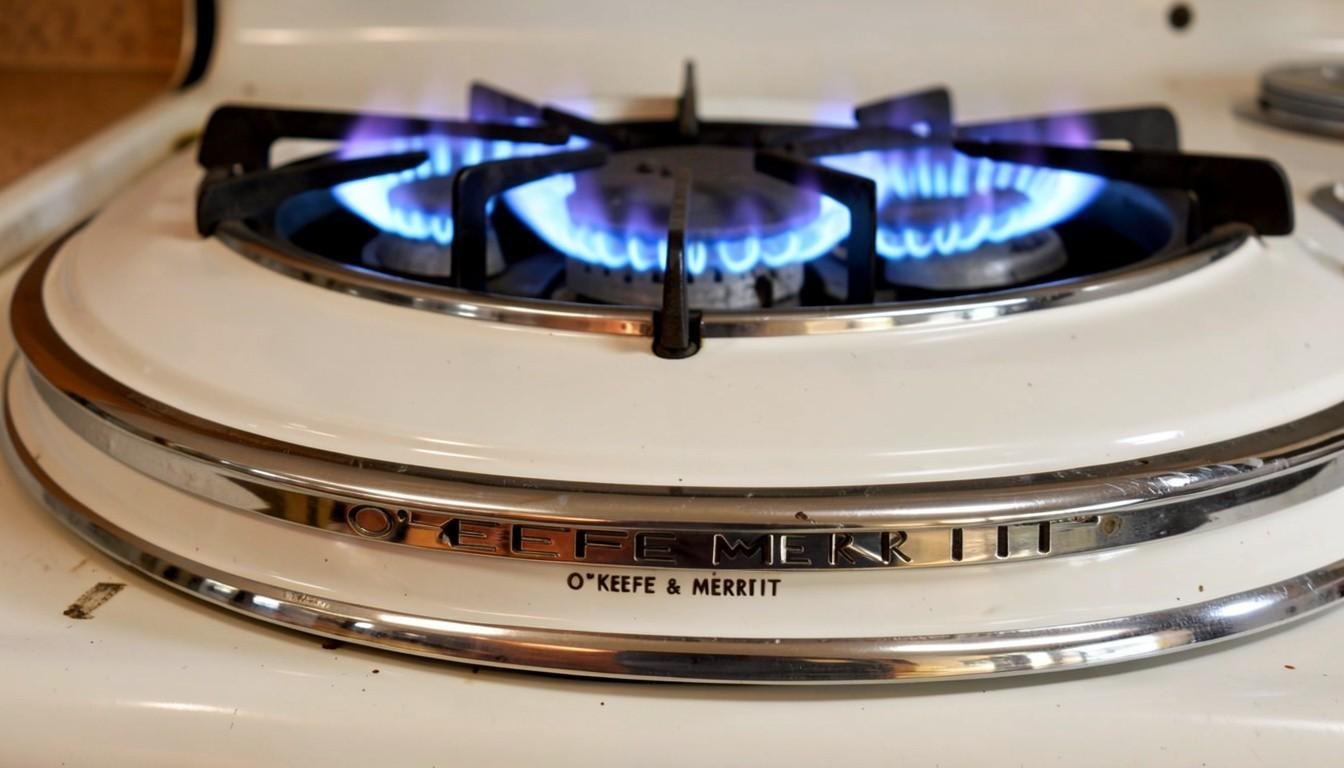
The Patient: A 1953 O’Keefe & Merritt Model 500 “Aristocrat” Gas Range.
The Location: A beautifully restored bungalow near Main Street, Lake Elsinore.
The Problem: The oven wouldn’t hold temperature, and the homeowner smelled faint gas whenever they walked by the kitchen.
The homeowner, Sarah, was heartbroken. She had called three big-box repair companies. Two told her they “don’t touch anything older than 2010,” and the third quoted her an astronomical price to “maybe” fix it, while heavily suggesting she just buy a new $5,000 retro-style range.
But Sarah didn’t want a modern replica. She wanted the heavy chrome top, the built-in griddle, and the “Grillevator” broiler that made this stove a legend. She called us as a last resort.
The 2026 Trend: Sarah isn’t alone. In 2026, we are seeing a massive resurgence in “Grandmillennial” and “Granny Chic 2.0” design trends. Homeowners are rejecting disposable appliances for statement pieces that have soul. But owning a statement piece requires a mechanic who speaks its language.
The Diagnosis: Why Vintage Stoves Outlive Modern Ranges
When we arrived, we pulled the 400-pound beast away from the wall (carefully!) and popped the hood. What we found inside explains exactly why these stoves are worth saving.
Cast Iron vs. Tin
Modern stoves are often built with thin sheet metal and plastic clips. This O’Keefe & Merritt? It’s built like a tank. The frame is heavy-gauge steel, and the burners are cast iron. There are no computer boards to fry during a Lake Elsinore summer brownout. It is a simple machine, and simple machines last forever—if you maintain them.
The Safety Audit
Our first priority was safety.
- The Leak: We traced the faint gas smell to dried-out grease in the burner valves. Over 70 years, the original valve grease turns into a hard wax, breaking the seal and letting gas seep out.
- The Failure Point: The oven’s safety system relies on a thermocouple and a Grayson safety valve. If the pilot light goes out, the thermocouple cools down and shuts off the gas. On Sarah’s stove, the safety valve was stuck “open”—a dangerous situation.
The Repair Process: A Step-by-Step Restoration
Restoring a vintage stove isn’t like swapping a part on a 2024 Samsung. It requires patience and specialized sourcing.
Step 1: Sourcing the “Unobtainium”
The Grayson safety valve needed replacement. You can’t buy these at Home Depot. Most companies stop here, claiming the part is “unavailable.”
We know better. We reached out to our network of specialty remanufacturers who rebuild these specific valves to 2026 safety standards. Within 48 hours, we had a fully tested, rebuilt safety magnet ready to install.
Step 2: The Grease Clean-Out
To fix the leak, we didn’t need new valves; we needed to service the old ones.
- We disassembled each top burner valve.
- We cleaned out the 70-year-old hardened grease.
- We applied high-temperature, gas-rated valve grease.
Result: The valves turned smoothly again, sealing perfectly with zero leaks.
Step 3: Calibrating with Digital Precision
The oven thermostat was off by 50 degrees. Vintage thermostats are mechanical—they use a bellows system. Instead of replacing it, we calibrated it.
Using a modern digital temperature sensor, we adjusted the set screw inside the thermostat shaft. It’s a delicate dance—a quarter turn can change the temp by 35 degrees. After 20 minutes of tweaking, we had that 1953 oven holding a steady 350°F, accurate to within 5 degrees.
The “Green” Angle: Sustainability in Appliance Repair
Repairing this stove wasn’t just a win for Sarah; it was a win for Lake Elsinore.
- Landfill Diversion: By fixing this stove, we kept 400 pounds of steel, iron, and porcelain out of the landfill.
- Carbon Footprint: Manufacturing a new high-end range generates a massive carbon footprint from mining, steel production, and shipping. Repairing the existing stove used a few ounces of grease and a rebuilt valve.
- Regulatory Support: With California’s AB 628 now in effect (as of Jan 2026), there is a stronger push for maintaining durable, repairable appliances in housing. While the law targets rentals, it signals a state-wide shift: Repair is the new standard.
Vintage vs. Modern: A 2026 Cost Comparison
Let’s look at the numbers. Was it worth it?
The Repair:
- Total Cost: ~$850 (Includes the rebuilt safety valve, labor for valve greasing, thermostat calibration, and a full safety check).
The Replacement:
- New “Retro-Style” Range (e.g., Smeg or Big Chill): $5,000 – $7,000.
- Lifespan: 10-15 years.
The Verdict:
Sarah spent less than 20% of the cost of a new stove to get a better-built machine that will likely last another 50 years. That is a 500% ROI. Plus, her vintage O’Keefe & Merritt is appreciating in value, while a new stove depreciates the moment it enters her kitchen.
Safety First: Using Vintage Appliances in 2026
We love vintage, but safety is non-negotiable. If you plan to use a vintage stove daily, here is what you need to know:
1. Ventilation is Key
Vintage burners often put out serious BTU heat. In a modern, tightly sealed home, you need a good range hood that vents outside, not just a recirculating fan.
2. Upgrade the Flex Line
Never use the old copper or rigid pipe connector. We installed a new, yellow-coated stainless steel flex line with an accessible shut-off valve. This meets current Riverside County code and ensures that if you pull the stove out to clean, you won’t snap the gas line.
3. The Carbon Monoxide (CO) Detector
This is mandatory. Vintage ovens are less efficient than modern ones and can produce higher CO levels if the air shutter isn’t adjusted perfectly. We adjusted Sarah’s blue flame for a clean burn, but we also verified she had a working CO detector within 10 feet of the kitchen.
Conclusion: Don’t Give Up on the Classics
Sarah’s stove is now the centerpiece of her kitchen. It cooks Thanksgiving turkeys perfectly, the griddle makes the best pancakes in Lake Elsinore, and it does it all with style that no modern appliance can match.
If you have a vintage Wedgewood, Chambers, or O’Keefe & Merritt gathering dust in your garage or acting up in your kitchen, don’t listen to the naysayers who tell you to scrap it. These machines were built to be repaired, not replaced.
At Appliance Repair Lake Elsinore, we speak “vintage.” We have the sources, the patience, and the respect for these iron giants. Let us help you keep your history alive.